

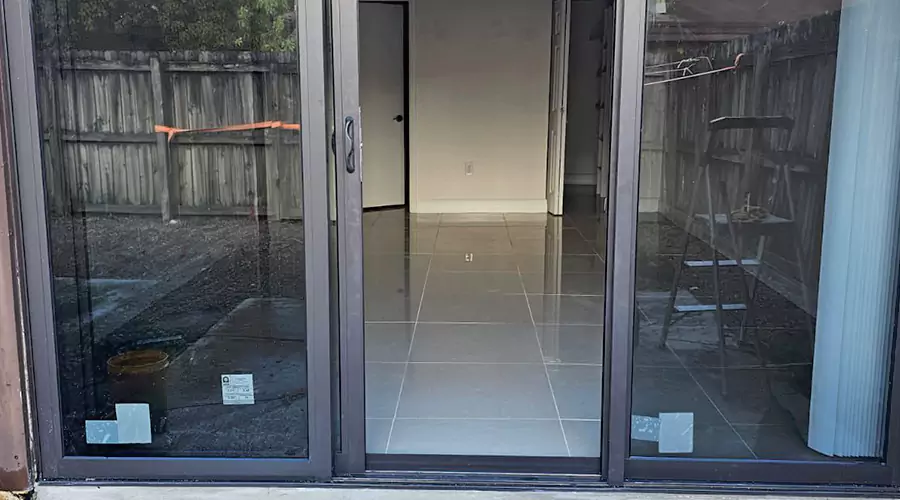

A sliding glass door is not just about convenience and natural light. It is also an important entry point that must remain secure at all times. The locking system plays a major role in keeping your home safe. When the lock begins to fail, it can put both security and functionality at risk.
Sliding door locks can wear down over time due to regular use, weather exposure, or internal mechanism failure. Recognizing early warning signs helps you decide whether a simple repair is enough or if a full replacement is required. In many cases, a professional sliding door repair company can inspect the lock and recommend the most effective solution.
In this guide, we will explain the most common signs your sliding door lock needs attention, the causes behind lock failure, and how to address the issue properly.
How a Sliding Door Lock Works?
Most sliding glass doors use a latch-style locking mechanism. The lock engages with a strike plate or hook on the door frame to secure the door in place.
Key components include:
- Lock handle or lever
- Latch or hook mechanism
- Strike plate on the frame
- Internal springs and gears
- Mounting screws and housing
When these components wear out or become misaligned, the lock may stop functioning properly.
Common Signs Your Sliding Door Lock Needs Repair or Replacement
1. The Lock Is Hard to Engage or Disengage
One of the earliest signs of lock trouble is difficulty operating it.
You may notice:
- The handle feels stiff
- The latch does not move smoothly
- You need extra force to lock or unlock
- The mechanism feels stuck or jammed
This can be caused by dirt buildup, worn internal parts, or misalignment.
2. The Door Does Not Lock Properly
If the lock does not fully engage, your door is not secure.
Common symptoms include:
- The latch does not catch the strike plate
- The door can still slide even when locked
- The lock does not stay in position
- Partial locking that feels loose
This issue should be addressed immediately for safety reasons.
3. Loose or Wobbly Lock Handle
A sliding door lock handle should feel firm and stable.
Signs of damage include:
- The handle moves side to side
- Screws feel loose even after tightening
- The handle detaches slightly from the door
- A rattling sound when operating the lock
This often indicates internal wear or stripped mounting points.
4. Misalignment Between Lock and Strike Plate
Proper alignment is critical for the lock to function.
Misalignment may occur due to:
- Door shifting off track
- Frame settling over time
- Roller height issues
When misaligned, the latch may:
- Miss the strike plate completely
- Only partially engage
- Require lifting or pushing the door to lock
This is one of the most common causes of sliding door lock failure.
5. Broken or Worn Internal Mechanism
Inside the lock housing are small components that control movement.
Over time, these can fail due to:
- Metal fatigue
- Rust or corrosion
- Repeated stress
Signs of internal damage include:
- Lock feels completely unresponsive
- Handle moves but does not engage the latch
- Clicking sounds without locking action
In most cases, internal mechanism failure requires replacement.
6. Key or Cylinder Problems
If your sliding door has a keyed lock, cylinder issues may arise.
Common problems include:
- Key does not turn smoothly
- Key gets stuck inside the lock
- Cylinder spins without locking
- Difficulty inserting or removing the key
These issues often indicate worn pins or internal cylinder damage.
7. Rust or Corrosion on Lock Components
Moisture exposure can lead to corrosion over time.
Rust can cause:
- Stiff lock movement
- Weak internal parts
- Complete lock failure in severe cases
Homes in humid or coastal areas are more prone to this issue.
Signs of Corrosion:
- Orange or brown discoloration
- Rough handle movement
- Grinding sensation when locking
8. Door Shifts Even When Locked
A properly functioning lock should hold the door firmly in place.
If the door still moves when locked:
- The latch may be worn down
- The strike plate may be loose
- The locking mechanism may be failing
This is a serious security concern and should be repaired quickly.
9. Repeated Locking Issues After Adjustment
Sometimes a lock works temporarily after adjustment but fails again.
This indicates:
- Deeper mechanical wear
- Frame or track alignment issues
- Failing internal components
Repeated problems usually mean repair is no longer sufficient.
10. Visible Damage to Lock Components
Physical inspection may reveal obvious issues such as:
- Cracked lock housing
- Bent latch components
- Missing screws
- Damaged strike plate
Visible damage typically requires replacement rather than repair.
Common Causes of Sliding Door Lock Failure
Frequent Use
Daily use causes gradual wear on internal parts and springs.
Dirt and Debris Buildup
Dust and grime can enter the locking mechanism and affect movement.
Door Misalignment
If the door is not properly aligned, the lock must work harder to engage.
Moisture Exposure
Water and humidity can lead to rust and corrosion inside the lock system.
Aging Components
Like any mechanical part, locks eventually wear out and lose effectiveness.
Repair vs Replacement for Sliding Door Locks
When Repair Is Enough?
- Minor misalignment
- Loose screws or handles
- Dirt or debris causing stiffness
- Slight adjustment needed for the strike plate
When Replacement Is Necessary?
- Internal mechanism failure
- Broken latch or handle
- Severe rust or corrosion
- Lock does not secure the door properly
- Repeated failures after repair
How to Maintain a Sliding Door Lock?
Keep It Clean
- Wipe the handle and lock area regularly
- Remove dust from moving parts
Lubricate Occasionally
- Use a silicone-based lubricant
- Avoid heavy grease that attracts dirt
Check Alignment
- Ensure the door sits properly on its track
- Adjust rollers if needed
Tighten Hardware
- Check screws periodically
- Replace worn fasteners if necessary
When to Call a Professional?
You should contact a technician if:
- The lock fails completely
- The door cannot be secured
- Internal components are damaged
- Alignment issues keep returning
- DIY adjustments do not solve the problem
A professional can diagnose whether the issue is mechanical, structural, or related to door alignment.
Final Thoughts
A sliding door lock is essential for home security and everyday convenience. When it begins to fail, the signs are usually clear. Difficulty locking, misalignment, loose handles, or internal mechanism failure all indicate that attention is needed.
Some issues can be fixed with simple adjustments or cleaning, while others require full replacement of the lock system. Addressing problems early helps maintain security, prevents further damage, and ensures your sliding door continues to function smoothly and safely for years to come.
 Reviews
 (559)
(559)